Fall is one of the best times of year to ride an electric bike in Canada.
The cooler temperatures make longer rides more comfortable, the changing leaves create beautiful scenery, and an e-bike can still be a convenient way to commute, run errands, or enjoy a weekend ride.
But fall also brings a few challenges. Shorter days, wet leaves, changing temperatures, rain, and cooler weather can all affect your ride.
With a little preparation, you can keep riding comfortably and safely throughout the season.
Here are 9 practical fall e-bike tips every Canadian rider should know.
1. Check Your Battery Before Every Ride
Cooler temperatures can affect battery performance, so it is a good idea to check your battery before heading out.
Make sure your battery has enough charge for the entire trip, especially if you are commuting or planning a longer weekend ride.
For better battery care:
- Charge your battery according to the manufacturer's recommendations.
- Avoid leaving the battery outside in cold or wet conditions.
- Store the battery in a dry, temperature-controlled place when possible.
- If your e-bike has a removable battery, consider bringing it indoors when the bike is parked outside for an extended period.
A little extra attention to your battery can help keep your rides more reliable as temperatures drop.
2. Check Your Tire Pressure
Temperature changes can affect tire pressure.
Before a fall ride, check your tires and make sure they are inflated within the range recommended by the manufacturer.
Proper tire pressure can help provide:
- Better handling
- A smoother ride
- More predictable braking
- Reduced risk of tire problems
If you ride a fat-tire e-bike, tire pressure is especially important because the tires can have a noticeable effect on comfort and traction.
Make checking your tires part of your regular fall riding routine.
3. Be Careful Around Wet Leaves
Colorful leaves are one of the best parts of fall—but wet leaves can make roads and bike paths slippery.
When you see wet leaves ahead:
Slow down and avoid sudden movements.
Try to:
- Reduce your speed before entering a leaf-covered section.
- Keep your movements smooth.
- Avoid sharp turns.
- Leave extra space when following other riders or vehicles.
- Be especially careful when braking.
Also watch for other slippery surfaces, including painted road markings, metal covers, wooden bridges, and wet pavement.
4. Make Yourself More Visible
The days get shorter in fall, which means you may find yourself riding during low-light conditions more often.
Visibility becomes especially important during morning and evening commutes.
Before heading out, make sure your e-bike's lights are working properly.
Consider using:
- A front light
- A rear light
- Reflective clothing or accessories
- Bright or high-visibility layers
Even if your ride starts during daylight, conditions can change quickly as the sun goes down.
Being visible helps other road users see you earlier and gives you more time to react.
5. Give Yourself More Braking Distance
Rain, wet leaves, cooler weather, and slippery surfaces can change how your bike handles.
Instead of waiting until the last moment to brake, give yourself more space.
When approaching intersections, pedestrians, vehicles, or turns:
Slow down early and brake smoothly.
Avoid hard braking whenever possible, particularly when the road surface is wet.
It is also worth checking your brake pads and testing your brakes regularly throughout the season.
If anything feels unusual—such as reduced braking power, unusual noise, or a change in lever feel—have the brakes inspected before your next longer ride.
6. Dress in Layers
Fall temperatures can change quickly, especially during longer rides.
A morning commute can feel chilly, while the afternoon may be considerably warmer.
Instead of wearing one heavy layer, consider dressing in layers that you can easily add or remove.
A practical fall riding setup may include:
- A moisture-wicking base layer
- A lightweight insulating layer
- A wind- or water-resistant outer layer
- Gloves
- Comfortable, weather-appropriate footwear
The goal is to stay comfortable without overheating.
7. Keep Your E-Bike Clean After Wet Rides
Fall riding can mean more rain, mud, and road debris.
After a wet or dirty ride, take a few minutes to clean your e-bike.
Pay attention to:
- The frame
- Wheels and tires
- Drivetrain
- Brakes
- Fenders
- Areas where dirt and moisture can collect
Use the cleaning and maintenance methods recommended by your e-bike manufacturer.
Most importantly, avoid unnecessary exposure of electrical components to water and never use high-pressure water directly on sensitive electrical parts.
Keeping your e-bike clean and dry can help you spot potential maintenance issues before they become bigger problems.
8. Plan Your Route Around Fall Conditions
Your favorite summer route may not always be the best choice in fall.
Before heading out, consider the weather and road conditions.
Look for routes with:
- Well-maintained bike lanes
- Good lighting
- Less traffic
- Smooth pavement
- Fewer steep or slippery sections
For longer rides, check the weather forecast before leaving and make sure your planned route has places where you can stop if conditions change.
If rain or strong winds are expected, consider shortening your ride or choosing a more sheltered route.
A good fall ride is not necessarily the longest ride—it is the one you enjoy comfortably and safely.
9. Give Your E-Bike a Fall Checkup
Before the season gets colder, it is worth giving your e-bike a quick overall inspection.
Use this simple checklist:
Fall E-Bike Checklist
- Battery is charged and stored properly
- Tires are properly inflated
- Brakes work smoothly
- Front and rear lights are working
- Chain and drivetrain are clean
- Tires show no obvious damage
- Fenders and accessories are secure
- Electrical connections are protected
- Helmet and reflective gear are ready
If your e-bike needs professional service, it is better to take care of it early rather than waiting until the weather gets colder.
Choosing the Right E-Bike for Fall Riding
Not every e-bike is designed for the same type of riding.
If most of your fall rides are daily commutes, you may want a comfortable e-bike with practical features such as integrated lights, fenders, and a comfortable riding position.
For weekend adventures and mixed terrain, a fat-tire or adventure-style e-bike may provide the versatility you are looking for.
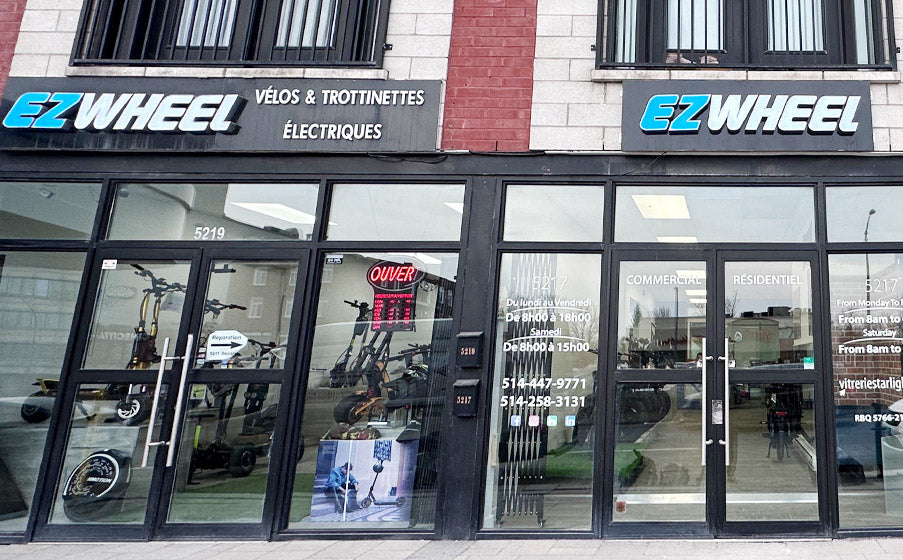
At EZWheel, you can explore a range of electric bikes designed for different riding styles—from everyday transportation to outdoor adventures.
When choosing an e-bike, think about where you actually ride, how far you typically travel, and the type of terrain you encounter most often.
Keep Riding This Fall
Fall does not have to mean the end of your riding season.
With the right preparation, an electric bike can still be a practical and enjoyable way to commute, explore your neighborhood, or enjoy the outdoors as the seasons change.
Check your battery. Watch your tire pressure. Slow down on wet surfaces. Stay visible. And give your e-bike a little extra care after every wet or muddy ride.
Most importantly, enjoy the season.
The leaves are changing. The roads are calling. Keep riding.
Explore EZWheel Canada's selection of electric bikes and find an e-bike that's ready for your next fall adventure.