How to Store an eBike for Canadian Winter: Battery Care, Storage Tips & Spring Maintenance
Share
Canadian winters can be tough on electric bikes, especially when temperatures drop below freezing and riding conditions become less predictable. If you plan to put your eBike away for several months, taking a little time to prepare it properly can help protect the battery, reduce unnecessary wear, and make getting back on the road easier when spring arrives.
Whether you ride an eBike for your daily commute in Montréal, weekend trips around Québec, or recreational rides elsewhere in Canada, winter storage deserves some attention.
The good news? You don't need an elaborate workshop or expensive equipment. A clean, dry storage area, proper battery care, and a few basic maintenance checks can make a real difference.
In this guide, we'll explain how to store an electric bike for Canadian winter, what to do with the battery, which components to check before storage, and how to prepare your bike for its first spring ride.
1. How Cold Weather Affects Your eBike Battery
The battery is one of the most important components of your electric bike—and one that deserves extra care during Canadian winter.
Most modern eBikes use lithium-ion batteries. Cold temperatures can temporarily reduce battery performance and the amount of energy available for riding. You may notice less range on a cold day than you would under milder conditions, even when the battery is fully charged.
Prolonged exposure to extreme temperatures can also affect battery condition over time.
What should you do before storing your battery?
Follow these practical steps:
- Check the manufacturer's storage instructions. Recommended storage charge levels and inspection intervals can vary by battery and eBike model.
- Choose a dry, temperature-controlled location. Avoid leaving the battery exposed to freezing temperatures for extended periods.
- Remove the battery if your eBike allows it. A removable battery is easier to store indoors while the bike remains in a garage or storage area.
- Avoid charging a cold battery. Let it return naturally to the manufacturer's specified charging temperature before connecting it to the charger.
- Use the correct charger. Stick to the charger approved for your battery and avoid incompatible replacements.
For extended storage, don't automatically leave the battery fully charged or completely empty. Follow the charge level specified in your owner's manual.
It's also important to inspect the battery before putting it away. If you notice swelling, cracks, unusual heat, leakage, or other visible damage, stop using and charging it. Contact the manufacturer or a qualified service professional for advice.
A useful rule for Canadian eBike owners: Store the battery according to its manufacturer's instructions rather than assuming every battery follows the same charging and storage schedule.
2. Where Should You Store an Electric Bike During Canadian Winter?
Ideally, store your eBike indoors in a dry location with a relatively stable temperature.
A basement, suitable indoor storage room, or temperature-controlled garage may work well, depending on the conditions and the manufacturer's recommendations.
The key is to avoid prolonged exposure to extreme cold, moisture, and large temperature fluctuations.
Comparing common winter storage options
Indoor storage room or basement
This is often the most convenient option, provided the area is dry and the bike can be stored safely. If your battery is removable, you can keep it in a suitable indoor environment while storing the bike separately.
Garage
A garage can be practical, especially if you have limited indoor space. However, an unheated Canadian garage may experience freezing temperatures throughout winter. Check the temperature conditions and your bike's storage requirements, particularly if the battery remains installed.
Outdoor shed or balcony
An exposed shed or balcony is generally less suitable for long-term storage because of temperature fluctuations, moisture, and potential exposure to snow or condensation.
If outdoor storage is unavoidable, follow the manufacturer's guidance carefully and consider whether the environment meets the storage requirements for both the bike and battery.
Should you cover your eBike?
A breathable bike cover can help keep dust off the bike, but avoid wrapping a damp eBike in a way that traps moisture.
Before covering it:
- Clean off dirt and road residue.
- Dry the frame and accessible components.
- Check that the charging port and electrical connections are dry.
- Store the bike somewhere protected from rain, snow, and excessive humidity.
Also, avoid placing your eBike beside a direct heat source or using a heater to warm a cold battery quickly. Allow temperature changes to occur naturally.
3. Your Pre-Winter eBike Maintenance Checklist
Before putting your electric bike away, give it a basic inspection. Addressing small maintenance issues now can save time when you want to ride again in spring.
Clean the frame and drivetrain
Fall riding can leave mud, grit, moisture, and road residue on your eBike. In areas where roads are treated with salt, residue can accumulate on exposed components.
Use a soft cloth and the cleaning method recommended by your manufacturer. Clean the frame, wheels, drivetrain, and other accessible areas, then dry the bike thoroughly.
Avoid directing high-pressure water at the battery, motor, display, controller, charging port, or electrical connections.
If your bike has a chain, clean and lubricate it using a product suitable for your drivetrain. Follow the manufacturer's recommendations for belt-drive systems or other components.
Check your tires
Inspect both tires for cuts, cracks, embedded debris, and unusual wear.
Check the tire pressure and inflate them within the range recommended by the tire or bike manufacturer. If the bike will remain stationary for several months, check the tires periodically and maintain appropriate pressure.
For fat-tire eBikes, don't assume that lower pressure is always better. The correct pressure depends on the tire, rider weight, terrain, and manufacturer's specifications.
Inspect the brakes
Reliable brakes matter whether you're commuting through Montréal or riding recreationally on local paths.
Before storage, check that:
- The brake levers feel normal.
- The brakes engage properly.
- The brake pads are not excessively worn.
- The rotors show no obvious damage.
- There are no unusual noises or signs of fluid leakage on hydraulic systems.
If braking performance is poor or you notice a problem, arrange an inspection before your next ride rather than waiting until spring.
Check bolts, accessories, and electrical connections
Look over the handlebars, stem, pedals, wheels, racks, fenders, and other accessories for visible damage or looseness.
Check that lights and controls work properly. Make sure electrical connectors and charging-port covers are clean, dry, and correctly secured.
Don't dismantle electrical components or tighten safety-critical fasteners without the appropriate instructions and tools.
If anything looks damaged or feels loose, have it checked before returning to regular riding.
4. Can You Keep Riding an eBike During a Canadian Winter?
Yes, some riders continue using their eBikes through winter, but whether it's practical depends on the weather, road conditions, and the bike's operating limits.
A dry, mild winter day is very different from a morning with freezing rain, black ice, or packed snow.
Before heading out, consider the following factors.
Battery performance
Cold weather can reduce usable battery performance, so allow for less range than you might expect in warmer weather. Keep enough charge in reserve for your planned trip, and check the operating temperature limits in your owner's manual.
Tire traction and braking
Snow, ice, wet leaves, and slush can make surfaces unpredictable. Fat tires may offer useful flotation and comfort on some surfaces, but they do not automatically make an eBike safe on ice.
Ride more slowly when conditions are suitable, brake smoothly, and increase your following distance. Avoid riding when road conditions exceed your experience or your bike's capabilities.
Visibility and equipment
Canadian fall and winter days are shorter, so functioning front and rear lights are essential when riding in low-light conditions. Wear a properly fitted helmet and clothing suited to the weather.
Before using your eBike on winter roads or paths, check local rules and any restrictions that apply to your location.
For more seasonal riding advice, read our guide: How to Ride an Electric Bike in Fall: 9 Tips for Canadian Riders.
If you won't be riding for several months, proper storage is usually the simpler option.
5. How to Prepare Your eBike for Spring
After several months in storage, your eBike needs more than a quick battery charge before it's ready for regular use.
Complete the following checks before your first ride.
Step 1: Inspect the battery
Look for visible damage and check for any unusual changes in its condition. Follow the manufacturer's charging instructions and use only the approved charger.
If the battery is swollen, damaged, or behaving abnormally, don't attempt to charge or use it.
Step 2: Check tire pressure and condition
Inflate the tires to the recommended pressure. Inspect them for cracks, cuts, or other damage that may have developed during storage.
Step 3: Test the brakes
Check both brakes before riding. Make sure they engage smoothly and provide predictable stopping power. If anything feels different from normal, have the bike inspected.
Step 4: Inspect the drivetrain and moving parts
Check the chain or other drivetrain components, pedals, wheels, handlebars, and visible fasteners. Lubricate the chain if required.
Step 5: Check the lights and electrical systems
Confirm that the display, controls, lights, and other electrical features operate normally. Pay attention to warning messages or unusual sounds.
Step 6: Take a short test ride
Choose a quiet, safe area for your first ride. Start slowly and test the brakes, steering, pedal assistance, and general handling before returning to your normal commute or longer recreational rides.
If your eBike has been stored in damp conditions, or you discover corrosion, electrical problems, or mechanical damage, arrange a professional inspection before riding.
A few extra minutes of checking can help you identify problems before they become inconvenient or unsafe.
6. How to Choose an eBike That Fits Your Canadian Riding Needs
If you're considering a new eBike before winter, think beyond motor power and advertised maximum range.
Your riding habits, storage arrangements, maintenance needs, and access to service all matter.
Consider where you'll ride
For daily commuting and errands, look for a practical setup that suits your route, riding position, braking needs, and carrying requirements.
For recreational riding or mixed terrain, tire type, frame design, suspension, and comfort may deserve more attention.
Think about battery capacity and storage
Battery capacity can influence how far you can ride between charges, but actual range varies with temperature, rider weight, terrain, speed, assistance level, and other conditions.
If you expect to ride in cooler weather, allow for reduced range and choose a battery capacity that suits your actual trips.
If you live in a condo or have limited storage space, consider whether the battery is removable and how easily you can store and charge it in accordance with the manufacturer's instructions.
Check warranty and service support
An eBike is a long-term purchase. Tires wear out, brakes need attention, and batteries may eventually require replacement.
Before buying, review the warranty terms, replacement-part availability, shipping arrangements, and options for professional service.
These details are especially important if you depend on your bike for daily transportation.
At EZWheel Canada, you can compare different electric bikes to find a model that suits your riding style, budget, and storage needs.
Explore EZWheel Canada's Electric Bikes
7. Where to Get eBike Service and Support in Canada
If your bike needs more than routine cleaning and inspection, professional support can help you identify problems with the brakes, drivetrain, battery, or electrical system.
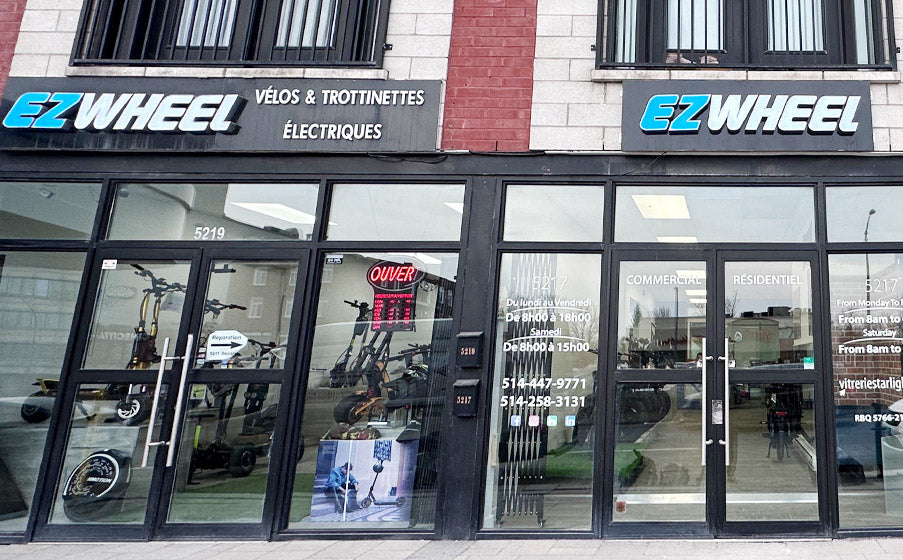
For riders in Montréal and the surrounding area, EZWheel offers a showroom where you can explore available models and ask questions about your options.
Before purchasing, confirm the current service arrangements, warranty coverage, and availability of support for the particular model you're considering.
You can also review our local guide to learn more about what to look for when choosing a retailer:
How to Choose the Right Electric Bike Shop in Montréal
Whether you're maintaining an existing eBike or choosing your next one, having a clear plan for servicing and replacement parts can make ownership easier over time.
Frequently Asked Questions
How should I store my eBike battery during a Canadian winter?
Store your battery in a dry, temperature-controlled location within the manufacturer's recommended temperature range. If the battery is removable, bring it indoors when the bike is stored somewhere cold. Follow the specified storage charge level and inspection schedule, and use only the approved charger.
Can I leave my electric bike outside during winter?
Outdoor storage is generally less suitable for long periods because of freezing temperatures, moisture, snow, and temperature fluctuations. Indoor storage in a dry, stable environment is preferable. If outdoor storage is unavoidable, check the manufacturer's requirements for both the bike and battery.
Should I fully charge my eBike battery before winter storage?
Not necessarily. The appropriate storage charge level varies by battery and manufacturer. Avoid assuming that a fully charged or completely empty battery is best for every model. Check your owner's manual for the recommended charge level and long-term storage instructions.
Can I charge my eBike battery immediately after riding in freezing weather?
Don't charge a battery while it is below its permitted charging temperature. Move the bike or removable battery to a suitable indoor environment and allow it to return naturally to the temperature specified by the manufacturer before charging.
How often should I check an eBike during winter storage?
Follow the manufacturer's recommended inspection and charging schedule. Periodically check the battery, tires, and general condition of the bike, especially if it will be stored for several months. Do not apply a universal charging interval or battery percentage without checking the instructions for your model.
What should I check before riding my eBike after winter?
Inspect the battery, tires, brakes, drivetrain, lights, controls, and visible fasteners. Charge the battery according to the manufacturer's instructions, then take a short test ride in a safe area. If you find damage or abnormal operation, arrange an inspection before riding farther.
Get Your eBike Ready for the Season Ahead
Canadian winter doesn't have to mean unnecessary wear on your electric bike.
With proper storage, sensible battery care, and a basic maintenance routine, you can protect your investment and make the transition back to riding easier when spring arrives.
Keep your eBike clean and dry, follow the manufacturer's battery instructions, inspect the tires and brakes, and address any problems before putting the bike away.
And if you're planning to upgrade or buy your first electric bike, take time to compare the features that matter for your actual riding needs—not just the biggest motor or highest advertised range.
Ready to find your next ride?
Explore Electric Bikes at EZWheel Canada
Always follow the operating, charging, and storage instructions supplied by your eBike manufacturer. Battery specifications and recommended maintenance procedures vary by model.
Recent Blogs

How to Store an eBike for Canadian Winter: Batt...
Canadian winters can be tough on electric bikes, especially when temperatures drop below freezing and riding conditions become less predictable. If you plan to...

Best eBikes for Canadian Fall Riding: What to L...
Fall is one of the best seasons to ride an eBike in Canada—but it is also when the right bike setup starts to matter...

How to Ride an Electric Bike in Fall: 9 Tips fo...
Cooler temperatures, shorter days, and wet roads don't have to stop your e-bike season. Discover 9 practical tips for safe, comfortable fall riding in...